 SAMPADA
A new health financing paradigm
At Sampada, a women’s urban cooperative, we are solving one of the toughest issues: affordable financing for health events. We work in four districts of Maharashtra and provide medical loans and savings wallets to low-income households.
Through our partnership with Uplift Mutuals, we bring community health insurance and primary health care services that help low-income households manage their health risks better.
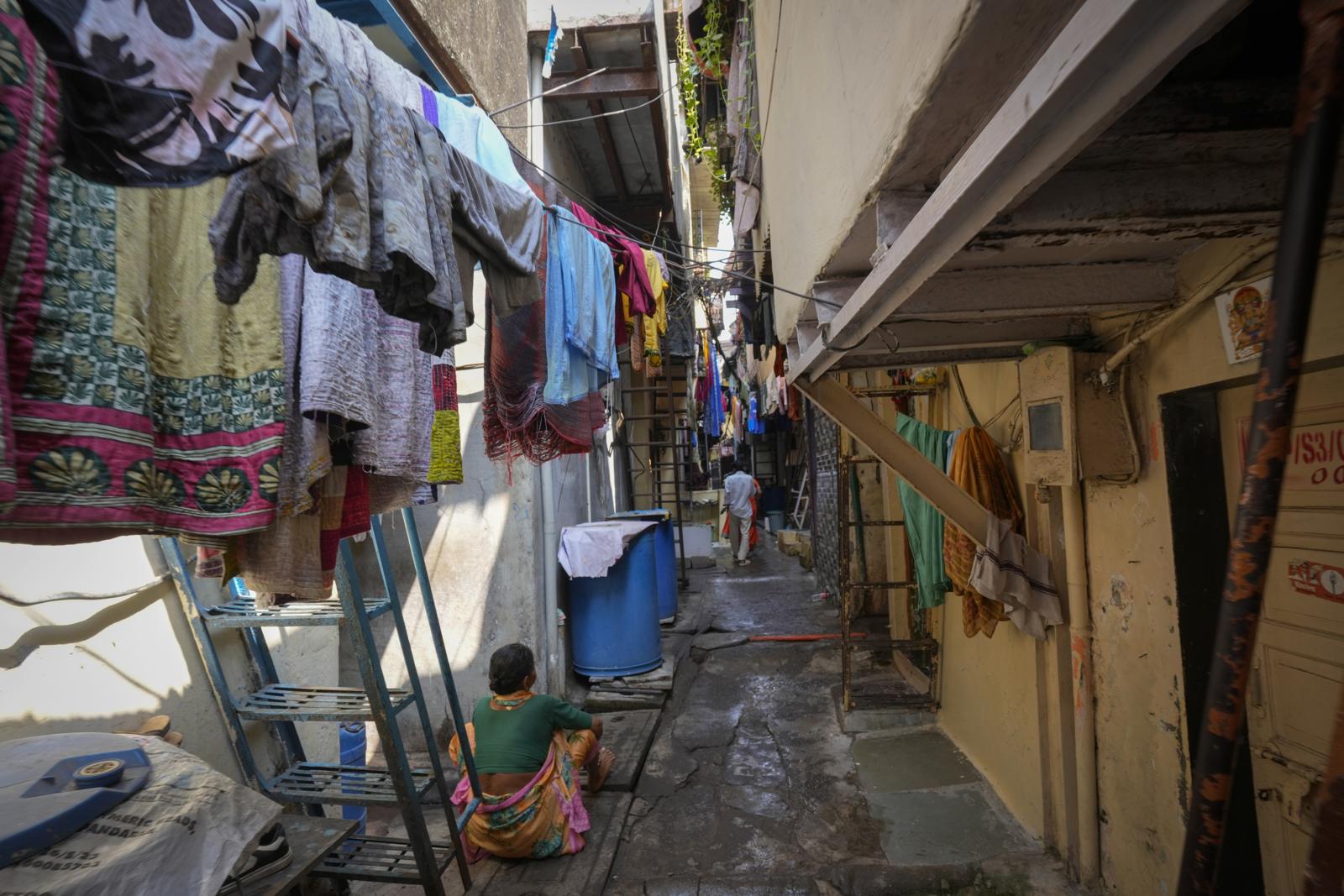
When someone falls ill, the family pays for it alone.
India’s main public health programme spends about fifteen times more per person in villages than in cities. In Mumbai and Pune the public hospitals are there, but they are overcrowded. For quality, a private hospital is most families’ first preference, and that is where most of them go.
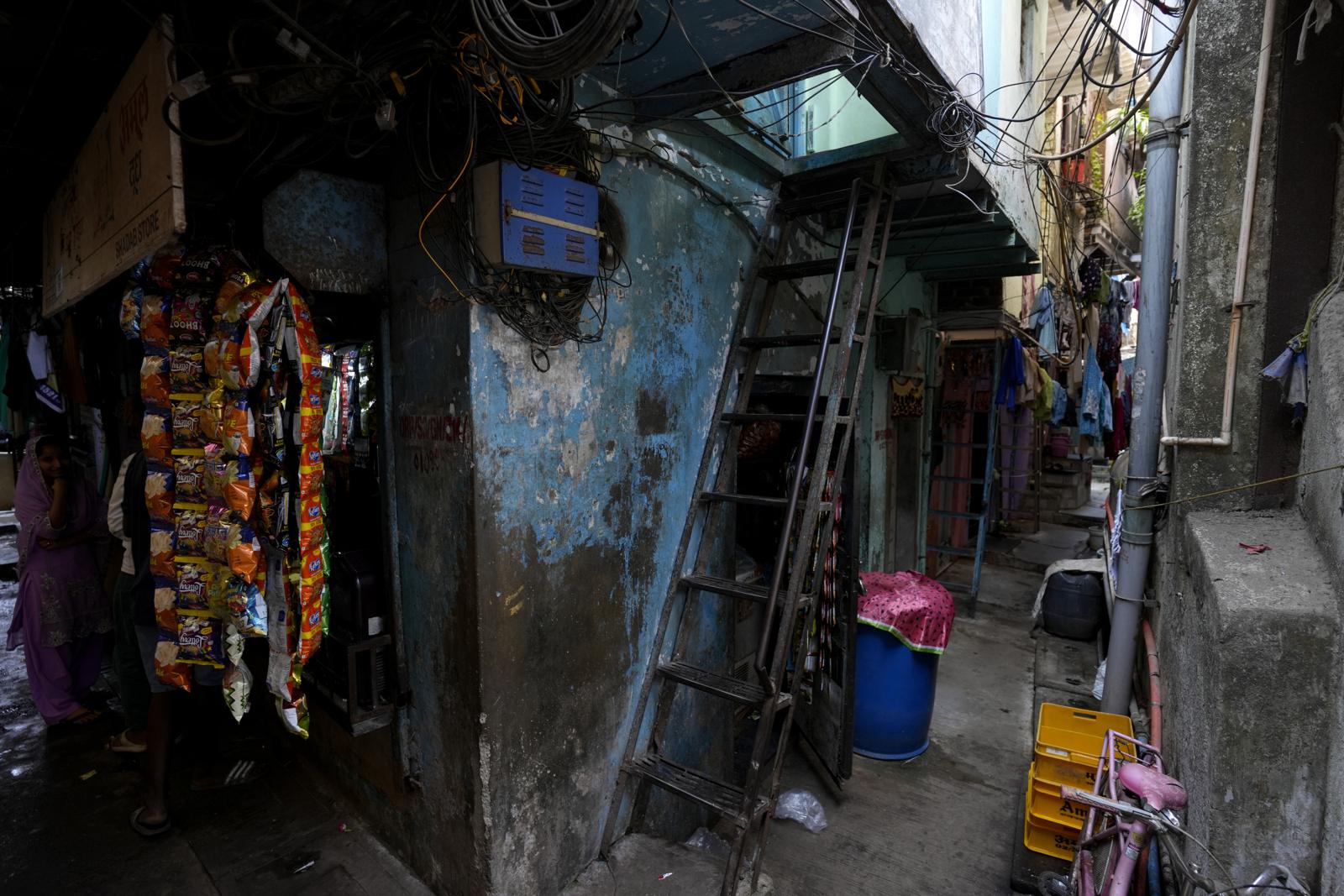
Almost nobody in these settlements has health insurance, so the whole bill is paid in cash, at the moment the family can least afford it. Even a delivery at a free public hospital costs a family ₹10,000 to ₹30,000 by the time medicines, tests and travel are paid for.
Many of the women here already have microfinance loans, but those loans are not given for health. What is left is the moneylender, at around 120% a year, or a pawned piece of gold at 30–60%. One illness can take years to pay off. Women especially put off going to the doctor, and the illness is more serious — and more expensive — by the time they go.
had any kind of health cover — so nearly every rupee spent on health came out of their own pocket
a household’s monthly income is what one hospital stay cost them, on average
the average urban Indian rate of going into hospital — about 7 in every 100 people each year
mothers got the four check-ups in pregnancy that every mother should have
Working families who fall between the gaps.
They work, but their income rises and falls from month to month, and most are not covered by any government health scheme. A single hospital bill is enough to undo years of effort. Our savings and loan products are sized for these households.
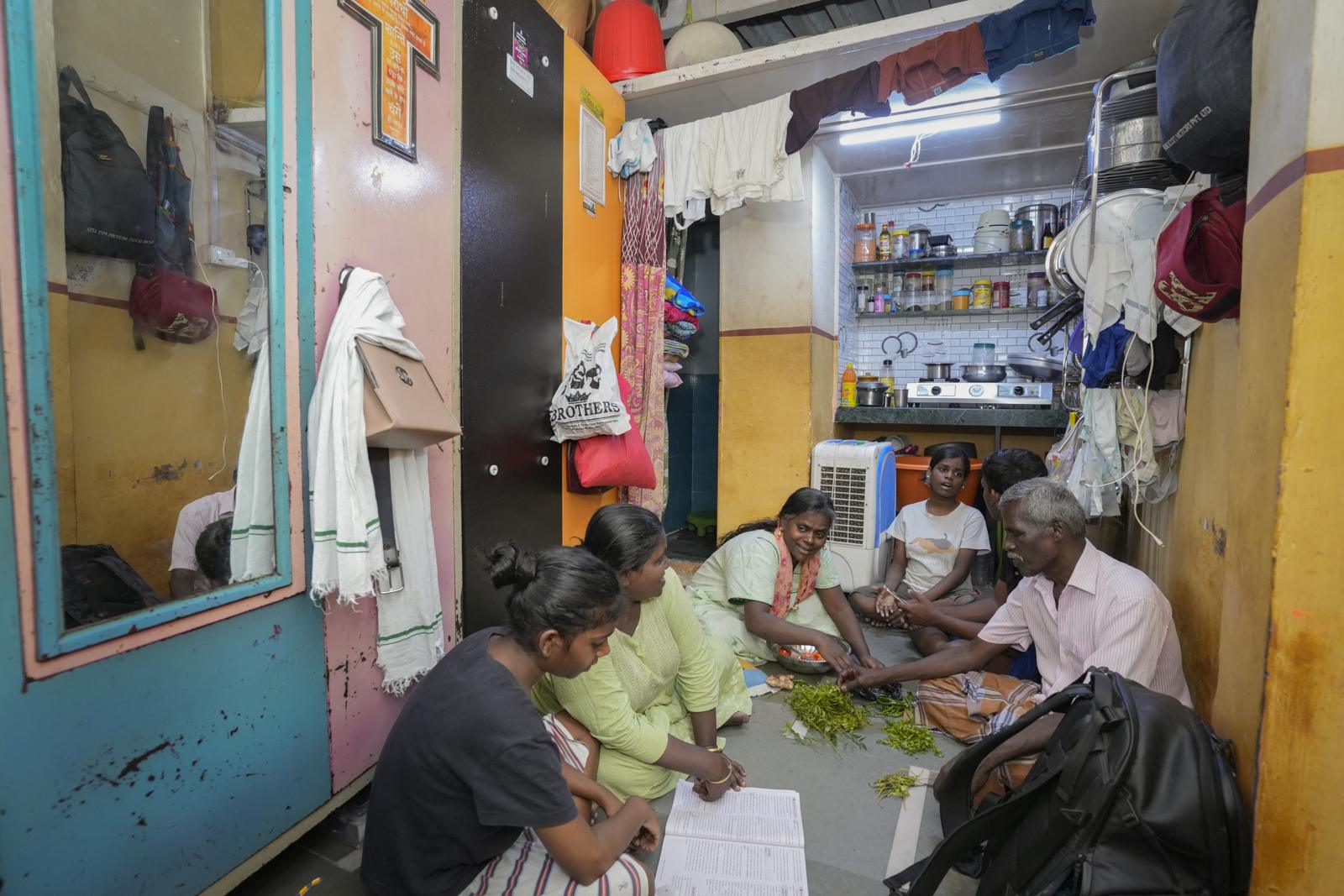
Domestic workers, porters, auto-rickshaw drivers, gig workers, small traders. Income comes in, but it is not steady.
They are often outside the self-help groups, unions and federations that connect people to banks and to government schemes, and they have few people to turn to.
Many do not speak or read Marathi well, and many live in settlements that are not officially recognised. So state health programmes often do not reach them.
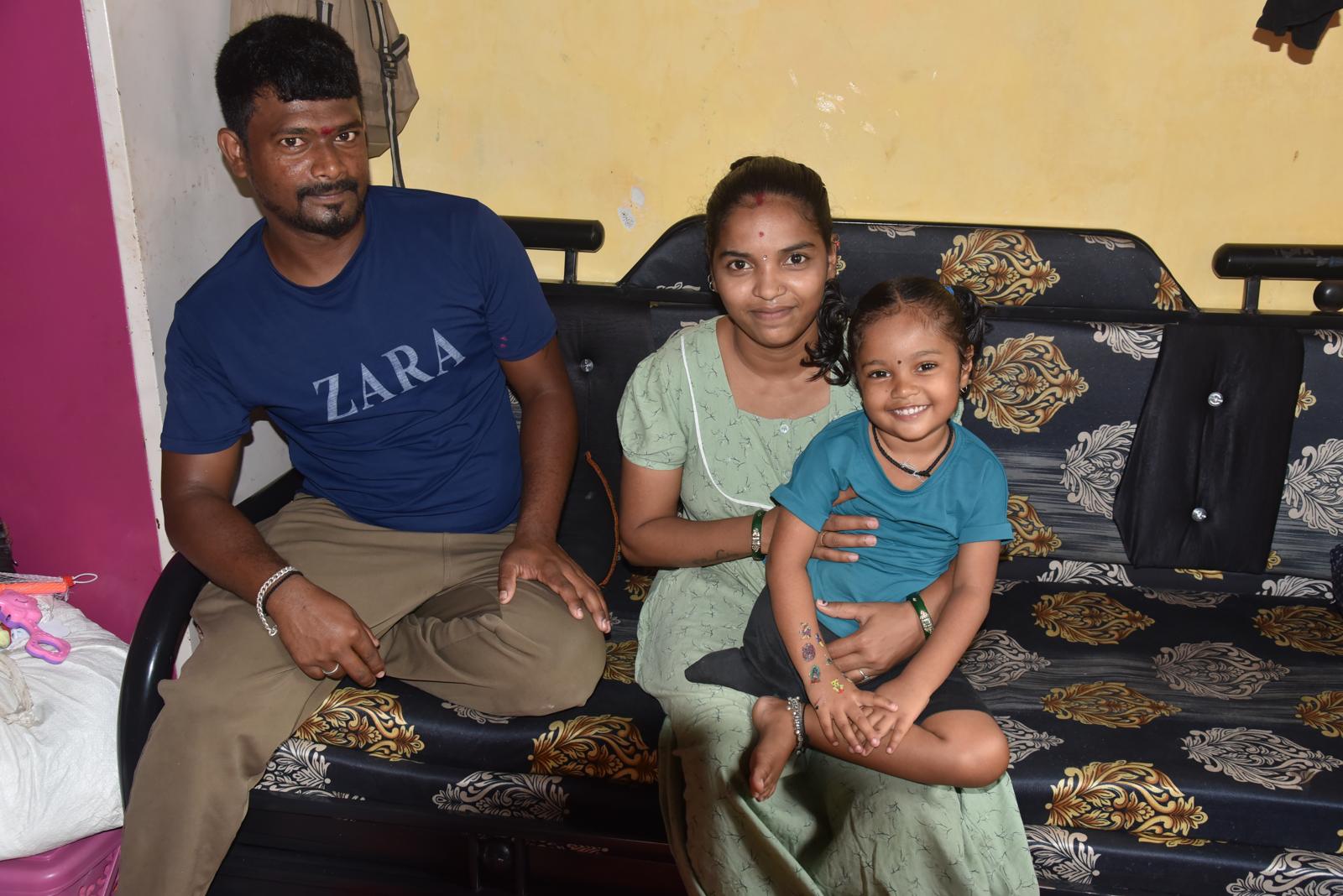
Often four or five at a time, for a business or a household need. But there is nowhere for them to borrow for health, including for having a baby.
The elderly, people with disabilities, and families from minority communities. We work with their own organisations to reach them.
savings accounts are opened by women
of health loans in the pilot were for treating women
of health loans in the pilot were for having a baby
Two cities where millions live in slums.
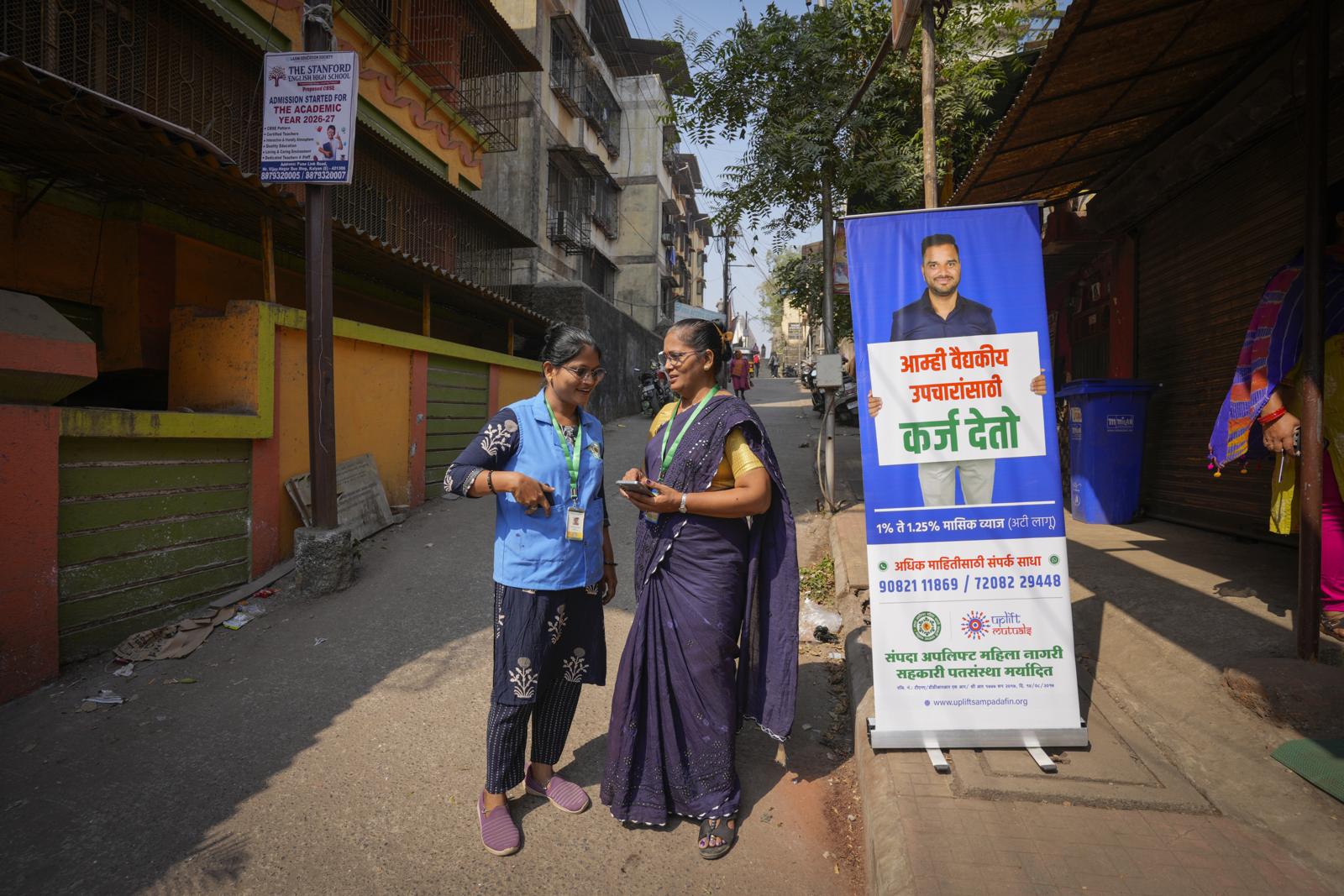
We work in the Mumbai Metropolitan Region and in Pune. Between them, more than 14 million people live in slums. We only open a hub where Uplift Mutuals has already been working for years, so the hub opens into a community that already knows the doctor.
Care, money and cover, at one counter.
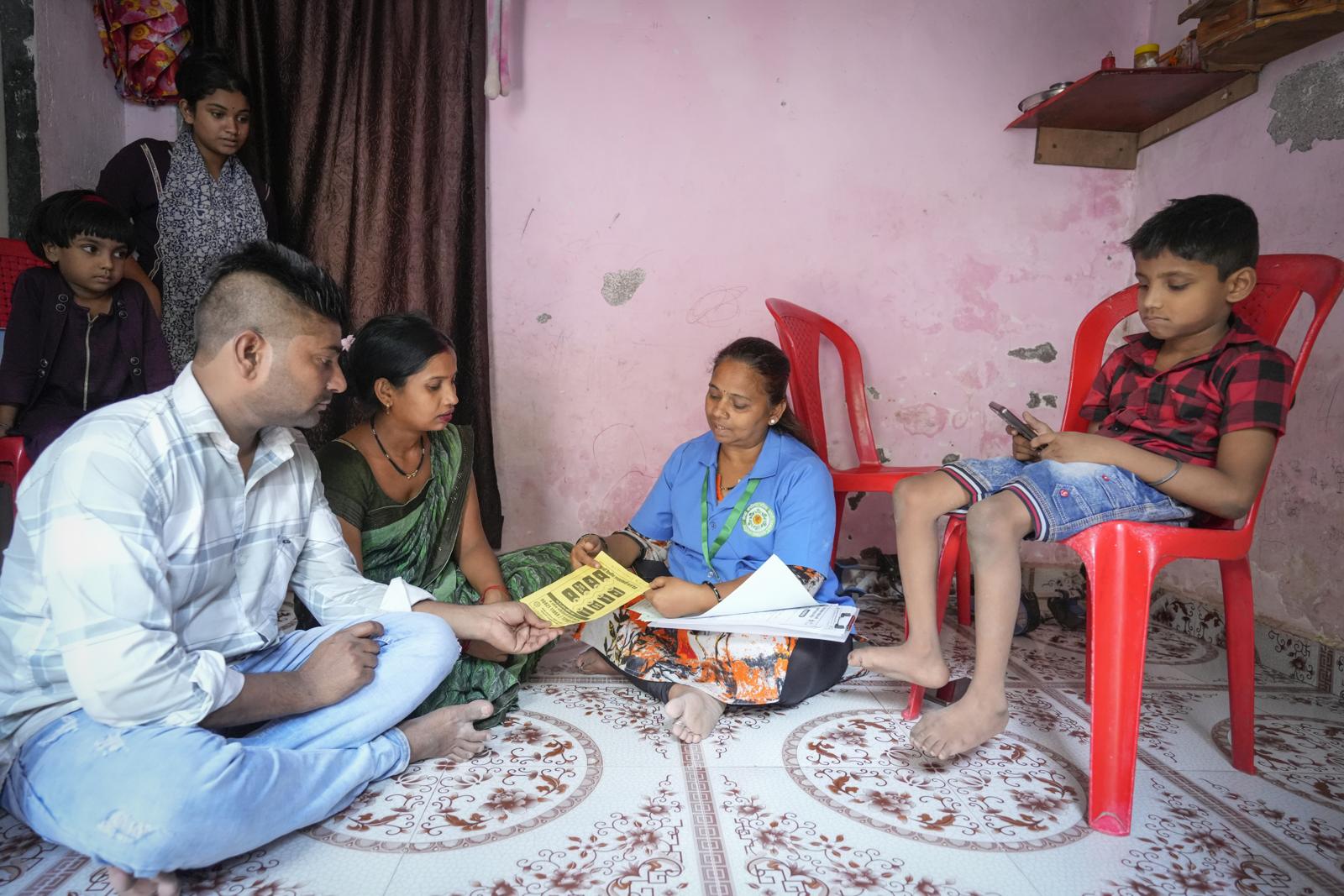
The hub is run jointly. Uplift Mutuals brings the doctors and the health services. Sampada brings the savings, the loans and the membership. A family does not have to know which is which — it deals with one team, in one place.
A doctor who knows the family
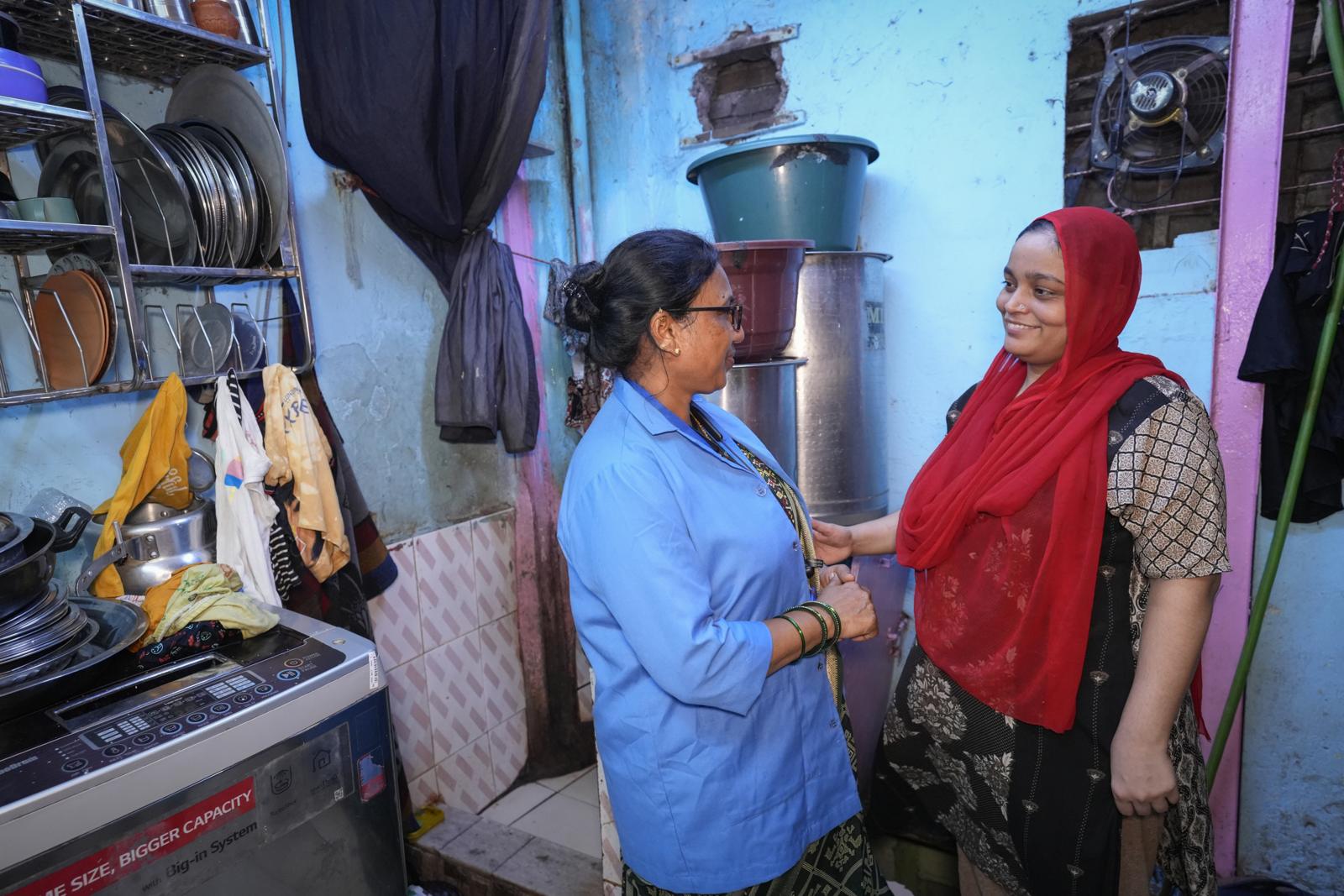
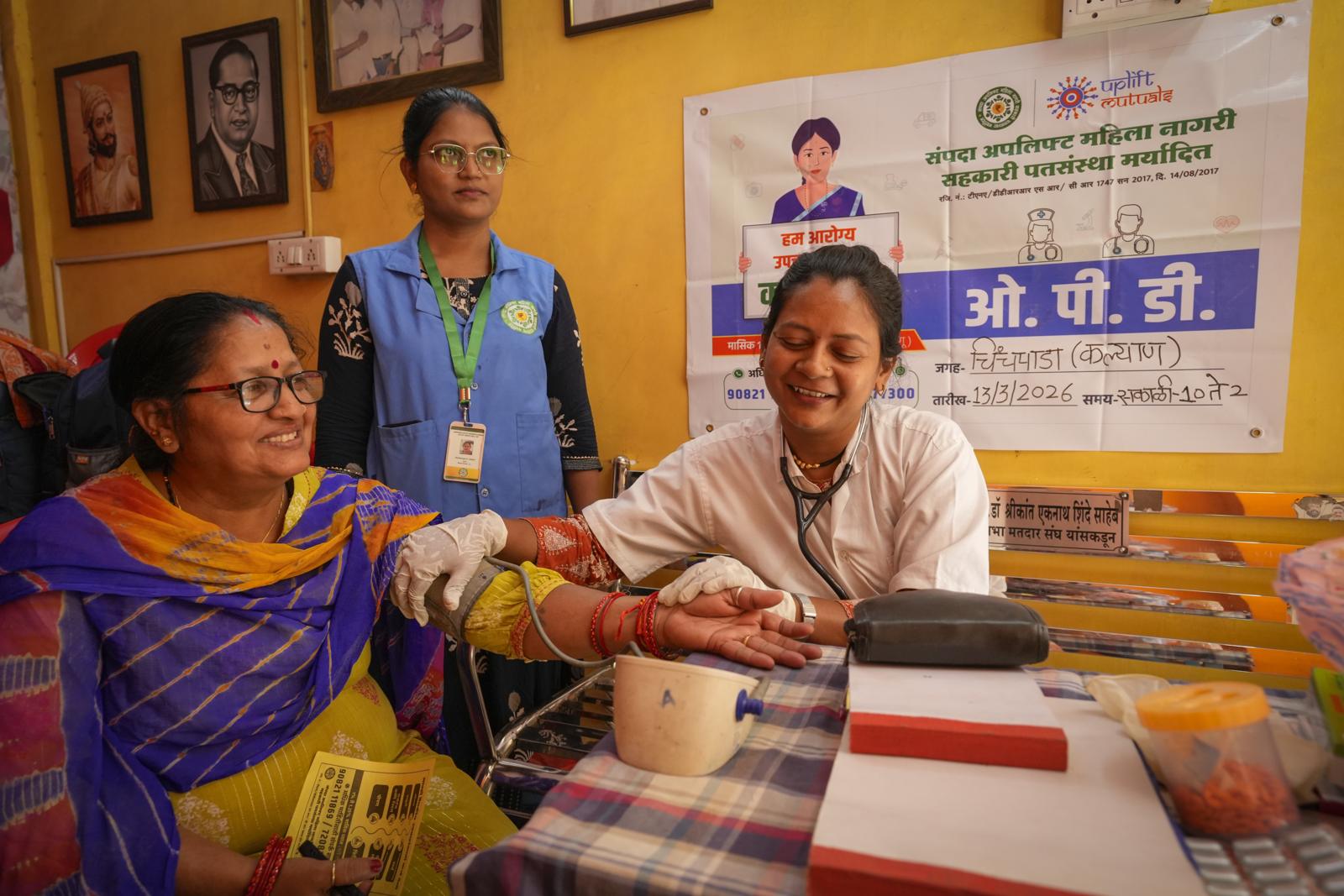
Health camps and health worker visits inside the settlement. A doctor by phone or video for loan applicants. A 24×7 helpline for members. Help finding the right hospital and the right government scheme. Lower-cost medicines and tests.
Save first, borrow fairly
Wallets to save for a baby or a health need you can see coming. Emergency health loans at 9–21% a year for the need you cannot put off, checked by a doctor and sized to what the treatment should cost.
Insurance for the next time
Mutual health insurance comes with every loan, so a family is covered from the day it borrows. Claims are decided by a committee of women members.
Lending for illness is hard, and we have learned that a credit check alone is not enough. Every health loan passes three checks before any money moves:
The long-term design.
This is the design we are working to. Parts of it are in place, and parts we are still learning how to do. We have found that two things matter more than anything else: changing the design quickly when something does not work, and keeping the personal contact even as we use more technology.
From borrowing to being covered
A community mutual (health microinsurance) is embedded into every loan, so that low-income households are introduced to health insurance and can manage illnesses without taking on debt.
Saving before borrowing
We started with wallets for having a baby, and added health wallets. The more health events a family can plan and save for, the fewer it has to borrow for.
Care that prevents as well as treats
Regular health screenings, check-ups in pregnancy, screening for diabetes and blood pressure, follow-up after treatment, and a 24×7 helpline for medical advice. And when members need a loan, we first check their entitlements, so that they can reduce their out-of-pocket expense.
Building the tech for scale from the ground up
We are building the entire process digitally for faster delivery, replicability and scale.
Community centric
The women’s cooperative lets us focus on what the community asks for: how loans are designed and delivered, community insurance, and the health services built by Uplift Mutuals.
A model that can be replicated
We are building the rails for a viable health financing model that can be replicated across India and the globe. We are pioneering comprehensive health financing.